
УТОЧНЮЙТЕ ЦІНИ ПО ТЕЛЕФОНУ. Даний сайт може містити не актуальні ціни. Просимо вибачення за тимчасові незручності. Сайт в доопрацюванні.
Електротерапія

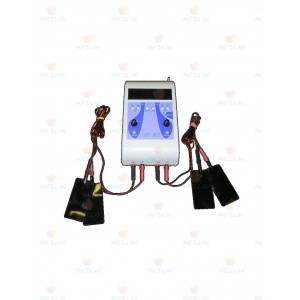
-300x300.jpg "Апарат для міостимуляції АЕСТ 01 (2-канальний)")
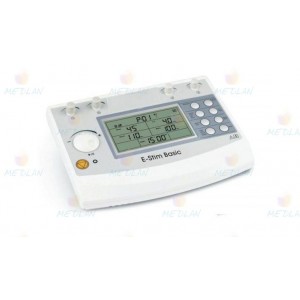
-300x300.jpg "Апарат низькочастотної електротерапії \"Радіус-01 Інтер СМ» (режими: СМТ, ДДТ, ГТ, ТТ, ФТ, ІТ)")
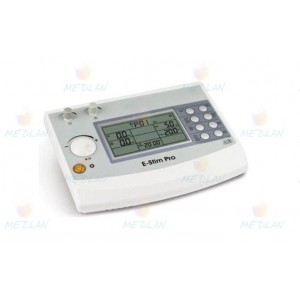
-300x300.jpg "Апарат низькочастотної електротерапії \"Радіус-01 Інтер» (режим: ІТ)")



ВИКОРИСТАННЯ ЕЛЕКТРОТЕРАПІЇ В РЕАБІЛІТАЦІЇ
Електротерапія - це популярна модальність, що використовується в фізичній терапії та реабілітації. Електротерапія (також відома як електрична стимуляція м'язів або e-stim) використовує електричну машину, яка забезпечує електричні імпульси до тіла пацієнта. Ця стимуляція проводиться з метою сприяння і полегшення загоєння м'язів та регенерації тканин. Електротерапія не тільки є популярною у фізичній терапії, але також може використовуватися іншими реабілітаційними фахівцями, оскільки вона має кілька численних терапевтичних переваг.
Використання електротерапії в фізичній терапії та реабілітації
Використання електротерапії було підтримане Американською асоціацією фізичної терапії, оскільки вона показала, що надає наступне:
Релаксація м'язових спазмів
Профілактика та припинення м'язової атрофії через невикористання
Покращена локальна кровообіг і потік
Перевиховання м'язів за допомогою цільової стимуляції
Збережіть та поліпніть діапазон руху
Управління та зменшення болю (хронічна, посттравматична та післяопераційна гостра)
Профілактика тромбозу глибоких вен після операції
Сприяння загоєнню ран
Покращення ефективності при доставці препаратів, що відпускаються за рецептом, - Електрометалеві препарати (EMDA).
Як працює електрична стимуляційна терапія?
Електротерапевтичні пристрої можуть пропонувати різні терапевтичні сигнали. Електричний стимулюючий прилад включає електроди, які прикріплені до зони обробки, і при активації електрична енергія пристрою змушує м'язи припинятись. Це скорочення імітує природний рух тіла під час активності і може запобігти м'язову атрофію.
Найбільш поширеними сигналами, що виявляються в електричній стимуляції, є: TENS, російський, інтерференційний, премодуляційний, двофазний, високовольтний та мікрострумовий. Кожна форма сигналу має свої терапевтичні переваги, тому багато пристроїв можуть запропонувати практикуючим кількома сигналами для того, щоб запропонувати їм найбільше застосування у різних пацієнтів
Різні форми сигналу, що використовуються в стимуляційній терапії
Різні сигнали, що використовуються в e-stim, призначені для націлювання на певні ділянки тіла та надання індивідуальних форм передачі енергії. Ця різниця в передачі енергії допомагає вирішити різноманітні потреби в терапії.
Транскутальний електричний стимулятор нейронів (TENS)
TENS працює для зменшення болю, блокуючи сигнали болю від досягнення мозку. Стимуляція TENS також сприяє виробництву ендорфінів, що робить його популярним сигналом для лікування захворювань на спині та спині.
Російський струм
Поточний сигнал російської струми передає середню частоту в чергуються імпульси енергії. Це робить його популярним сигналом для використання, коли є необхідність збільшити сили м'язів і перевиховати конкретні області. Російський струм також може стимулювати полегшення ендорфінів, які знімають біль, підвищуючи його універсальність та застосування.
Інтерференційний струм (IFC)
Інтерференційний струм (також називається IFC) - це форма сигналу для лікування хронічної, післяопераційної та після травми гострої болю. IFC e-Stim неінвазивний з мінімальними побічними ефектами. IFC забезпечує енергію більш високої частоти, тому вона пропускає бар'єр шкіри легше для більш глибокого доступу до ділянок болю, але також має і толерантність.
Премодульований струм (премод)
Премодулюючий струм, також називається "premod", схожий на інтерференційний струм. Основна відмінність полягає в тому, що з використанням попереднього струму використовується один канал для змішування частот перед тим, як теперішній час досягає пацієнта. Це робить його гарним вибором при обробці менших ділянок тіла, таких як: лікті, щиколотки, ноги або руки.
Двофазний струм
"Біфазик" має два імпульси двох різних інтенсивностей. Ці альтернативи під час лікування, що робить його дуже універсальним. Двухфазний може використовуватися як для гострих, так і для хронічних проблем для різних цілей, зокрема:
Зміцнення та перевиховання м'язів
Поліпшення кровообігу
Зниження набряків і набряків
Висока напруга
Електрична стимуляція високої напруги - це монофазний сигнал, який використовує полярність (позитивну чи негативну) для стимуляції тканини. Це популярна модальність, яка допомагає зменшити біль і набряк, знизити м'язові спазми та полегшити загоєння ран.
Мікрострум
Мікрострум також використовується для зародження ран, використовуючи мікророзмірний пульсуючий струм. Через низьку інтенсивність, мікрострум є найбільш переносним сигналом у електротерапії.
Пов'язані статті : Форми сигналу, що використовуються в естетичній стимуляції терапії
Як електротерапія може використовуватися в фізичній терапії
Використовується окремо або разом з іншими способами, такими як терапевтичне ультразвукове дослідження, електротерапія може використовуватися в фізичній терапії для лікування багатьох різних питань пацієнта, включаючи:
Сіатіка
Фіброміалгія
Артрит
Бурсит
Пост-хірургічна болі та набряки
TMD
Ускладнення, пов'язані з діабетом
Тенісний колір
Синдром тунельного зап'ястя
E-Stim та електротерапія, що використовуються в фізичній терапії
Науково обгрунтоване лікування болю та набряку
Електротерапія є науково обґрунтованою як корисною модальністю для зменшення болю та набряків, одночасно покращуючи результати зцілення для різних груп пацієнтів.
Дослідження, опубліковане в Current Reumatology, показало, що щоденні 30-хвилинні процедури TENS протягом 10 днів дозволяють зменшити гострі, виникаючі та післяопераційні болі.
У статті "Спортивна медицина" досліджується позитивне використання електричної стимуляції при зменшенні набряку та набряку, спричиненої травмами, пов'язаними із спортом.
Бельгійський ортопедичний журнал опублікував багатообіцяючі результати, які показали, що терапія TENS для травм ахілового сухожилля може фактично сприяти зцілення.
У дослідженні, опублікованому в журналі Американської асоціації фізичної терапії, було встановлено, що електротерапія допомагає пацієнтам відновити стегнову силу після загальної артропластики коліна (ТКА).
У дослідженні, опублікованому в Experimental & Translational Stroke Medicine, встановлено, що електрична стимуляція поліпшує рух моторного відновлення пацієнтів з інсультом.
Лікування лікування гострих травм або хронічного болю, електротерапії з різними формами сигналу, пропонують фізичним терапевтам можливість неінвазивного лікування багатьох різних пацієнтів без ускладнень або побічних ефектів. З наявними портативними пристроями електротерапія також може використовуватися пацієнтами в домашніх умовах та офісних приміщеннях, щоб забезпечити їм терапевтичну альтернативу традиційним засобам для лікування орального болю. Ці переваги роблять електротерапію однією з найбільш потужних і популярних способів фізичної терапії.